Hypothyroidism, an underactive thyroid, is one of the most common conditions we see in diet consultations in Kochi, especially among women over 30. Tiredness, weight gain that does not respond to the usual effort, feeling cold, dry skin and hair fall are the typical signs. Medication (levothyroxine) is the treatment. Diet does not replace it, but the right food makes the medication work better and makes weight management realistic.
Always follow your doctor's advice on dosage and testing. This is general dietary guidance.
First, the tablet
Levothyroxine must be taken on an empty stomach, first thing in the morning, with water, and at least 30–60 minutes before food, tea or coffee. Calcium, iron supplements and soya should be kept four hours away from the dose. Many people who "do not respond" to treatment are simply taking it with their morning chai.
Nutrients the thyroid needs
- Iodine: iodised salt covers most people. Do not add kelp or iodine supplements without advice; excess is as harmful as deficiency.
- Selenium: helps convert thyroid hormone to its active form. Brazil nuts (just one or two a day), eggs, fish, sunflower seeds.
- Zinc: chana, pumpkin seeds, eggs, chicken.
- Iron and vitamin B12: often low alongside thyroid problems. Fish, eggs, dal, greens; get levels tested.
- Vitamin D: frequently deficient in Kerala despite the sun. Test and supplement if low.
The cabbage and cauliflower myth
Cruciferous vegetables (cabbage, cauliflower, broccoli, radish) contain goitrogens, which interfere with iodine uptake in very large raw quantities. In normal cooked portions they are harmless and nutritious. You do not need to give up cabbage thoran. The same applies to soya: moderate amounts are fine, just keep them away from the tablet.
Managing weight with hypothyroidism
Once medication has normalised your levels, weight loss follows the same rules as anyone else, but the margin for error is smaller because metabolism may run 5–10 percent lower.
- Prioritise protein at every meal; it has the highest metabolic cost and protects muscle.
- Choose slow carbs: millets, matta rice, whole dal, vegetables.
- Limit sugar and maida, which worsen the fatigue cycle.
- Strength-train twice a week; muscle is what raises resting metabolism.
- Sleep seven hours. Poor sleep worsens both thyroid symptoms and appetite.
A sample thyroid-friendly day
| Time | Meal |
|---|---|
| 6:30 am | Levothyroxine with water |
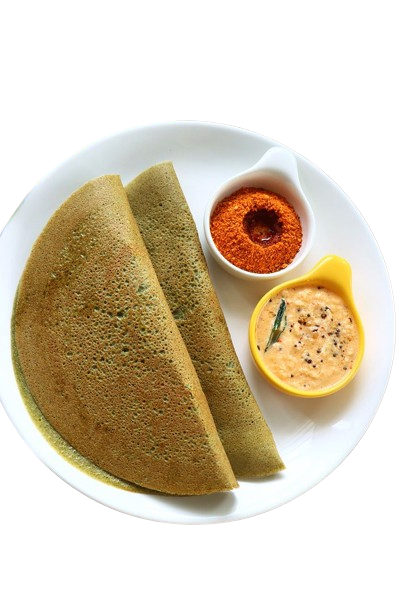
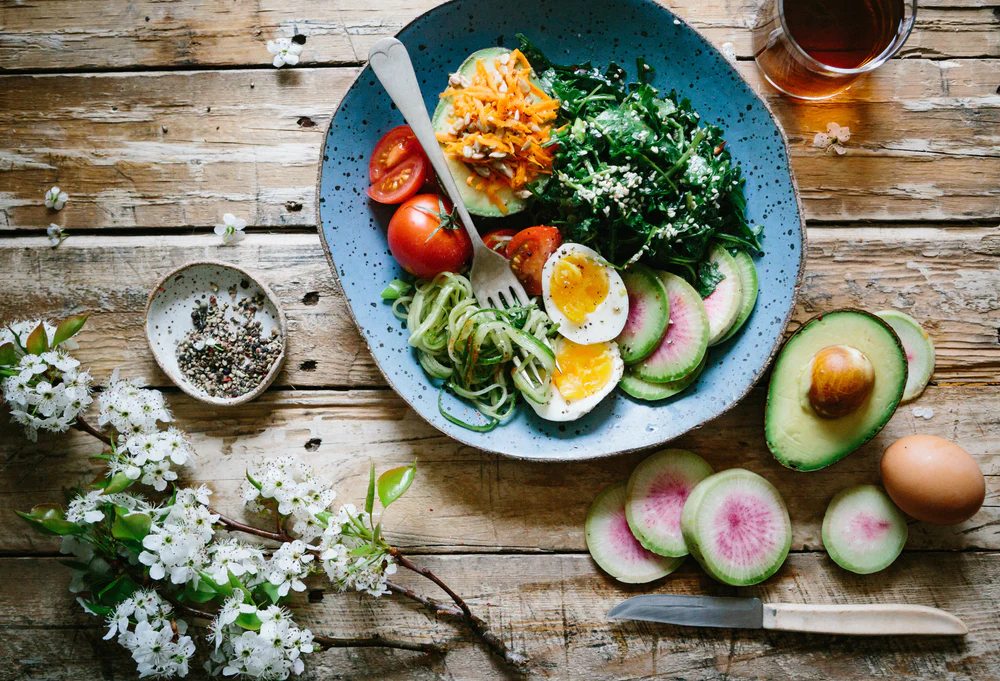
| 7:30 am | 2 egg omelette with vegetables, 2 ragi dosas, black tea |
| 10:30 am | 1 guava, 2 Brazil nuts or a few sunflower seeds |
| 1:00 pm | 1 cup matta rice, fish curry, beans thoran, cabbage thoran, buttermilk |
| 4:30 pm | Roasted chana, green tea |
| 7:30 pm | 2 wheat rotis, chicken or dal curry, salad |
Foods to limit
- Highly processed and packaged foods, which are high in salt, sugar and poor fats
- Excess sugar and refined flour
- Very large amounts of raw cruciferous vegetables or soya
- Alcohol, which interferes with thyroid hormone metabolism
A plan that accounts for your thyroid
Pro Calories builds meal plans for people with hypothyroidism after a diet consultation that looks at your recent TSH, iron and vitamin D results, then delivers the meals across Kochi on a custom plan. Steady, not drastic, is the approach that works.