You don't need to give up rice, chapati or your favourite curries to lose weight. What you need is a steady calorie deficit, eating a little less energy than your body uses, kept up for weeks rather than days. This guide shows how to do that with everyday Indian and Kerala food, and includes a simple 7-day meal plan to get you started.
How many calories do you need?
The ICMR-NIN dietary guidelines (2020) estimate that a sedentary Indian adult man needs about 2,110 kcal a day and a sedentary woman about 1,660 kcal a day. These are based on reference body weights of 65 kg and 55 kg; people who are heavier, taller or more active need more.
For weight loss, a moderate deficit of around 500 kcal a day is a common starting point. It typically leads to a loss of roughly half a kilo a week: slow enough to protect muscle and stick to, fast enough to see progress. Very low-calorie diets, below about 1,200 kcal a day, should only be followed under medical supervision.
Build a weight-loss plate
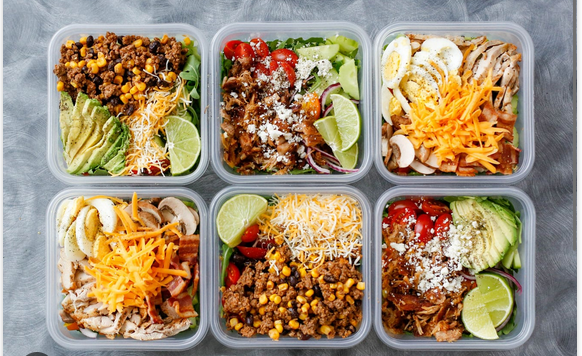
Instead of counting every calorie, use the plate as your guide at lunch and dinner:
- Half the plate: vegetables. Thoran, avial made with less coconut, salads, sautéed beans, cabbage or spinach.
- A quarter: protein. Fish, chicken, eggs, paneer, dal, chana or tofu.
- A quarter: whole grains. Matta (red) rice, chapati, millets like ragi, or oats.
- A little fat. Cook with measured oil. One tablespoon of any oil is about 120 kcal.
7-day Indian meal plan for weight loss
Use this as a template and adjust portions to your needs. Pick unsweetened tea or coffee, and drink water through the day.
| Day | Breakfast | Lunch | Snack | Dinner |
|---|---|---|---|---|
| 1 | 2 idli with sambar | 1 cup matta rice, fish curry, cabbage thoran | 1 guava | Grilled chicken with sautéed vegetables |
| 2 | Vegetable oats upma | 2 chapati, dal, cucumber and tomato salad | Roasted chana (a handful) | Clear vegetable soup and paneer tikka |
| 3 | Small portion of puttu with kadala curry | Grilled chicken salad | Buttermilk | 2 chapati and vegetable stew |
| 4 | 2 boiled eggs and a fruit | 1 cup rice, sambar, beans thoran, curd | An apple | Fish curry with a large portion of vegetables |
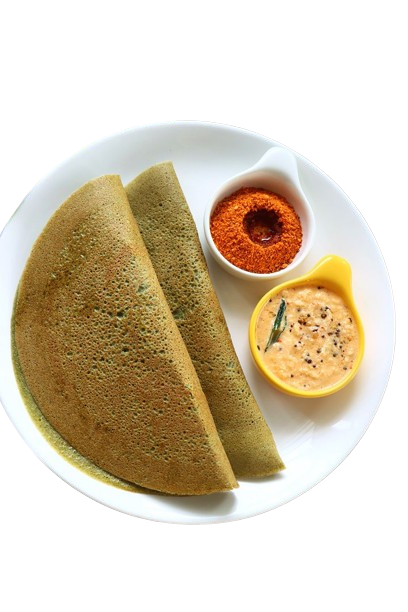
| 5 | Ragi dosa with chutney | Brown rice with rajma and salad | Sprouts chaat | Egg bhurji with 1 chapati |
| 6 | Moong dal chilla | 1 cup matta rice, chicken curry, avial | Papaya | Vegetable soup and grilled fish |
| 7 | 2 appam with vegetable stew | Millet pulao with raita | A handful of nuts | Paneer and vegetable stir-fry |
A quick portion guide
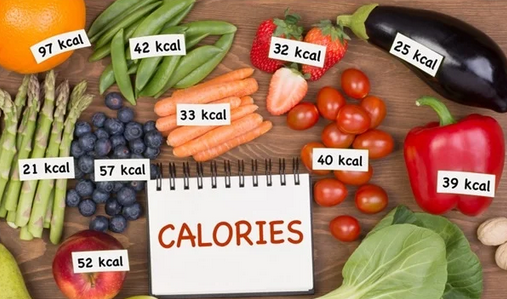
- 1 cup cooked rice: about 200 kcal
- 1 medium chapati: about 100 to 120 kcal
- 1 idli: about 40 to 60 kcal
- 1 egg: about 70 to 80 kcal
- 1 tablespoon oil or ghee: about 120 kcal
Values are approximate and change with size and recipe, but they show where calories hide. Oil, fried snacks and sugary drinks add up far faster than vegetables or dal.
Habits that make it work
- Protein at every meal keeps you full longer and helps protect muscle while you lose fat.
- Move most days. The WHO recommends at least 150 minutes of moderate activity a week; a brisk 30-minute walk five days a week gets you there.
- Sleep 7 to 9 hours. Short sleep makes hunger and cravings harder to manage.
- Weigh yourself weekly, at the same time of day, and look at the trend rather than single readings.
Common mistakes to avoid
- Skipping meals, which often leads to overeating later in the day.
- Drinking your calories in juices, sweetened tea and coffee, and soft drinks.
- "Healthy" snacks in large amounts. Nuts, granola and banana chips are energy-dense.
- Being strict on weekdays and undoing it at weekends. Aim for consistency, not perfection.
Want the planning done for you?
The Pro Calories slimming diet delivers portion-controlled, calorie-counted meals across Kochi, so you get the results of this plan without the daily cooking and measuring.
Frequently asked questions
Can I eat rice and still lose weight?
Yes. Keep the portion to about a cup of cooked rice, prefer matta or brown rice, and fill the rest of the plate with vegetables and protein.
How fast can I lose weight safely?
Around 0.5 to 1 kg a week is a realistic and sustainable pace for most people. Faster loss in the first week or two is often water.
Is this plan suitable if I have diabetes or thyroid problems?
The principles apply, but check with your doctor first, especially if you take medication that affects blood sugar.
This article is general information, not medical advice.