Search for weight loss and you will find promises of 10 kg in 30 days. Some people do lose that, briefly, on extreme plans, and most of them regain it within the year. The honest answer to "how much can I lose in a month" is less dramatic and far more useful.
The safe range
Most medical guidelines put safe, sustainable fat loss at 0.5 to 1 kg a week, which is 2 to 4 kg a month. People with a lot of weight to lose may see a little more early on; people close to their goal will see less. Losing faster than this usually means losing water and muscle alongside fat, feeling exhausted, and setting up the rebound.
Why the first week lies to you
Cut carbs or calories sharply and the scale can drop 2–3 kg in the first week. Most of that is water: the body stores carbohydrate as glycogen, and each gram of glycogen holds about three grams of water. Reduce carbs, glycogen empties, water follows. It is real weight, but it is not fat, and it comes back the first time you eat a normal meal. Judge progress from week two onwards.
What 1 kg of fat actually takes
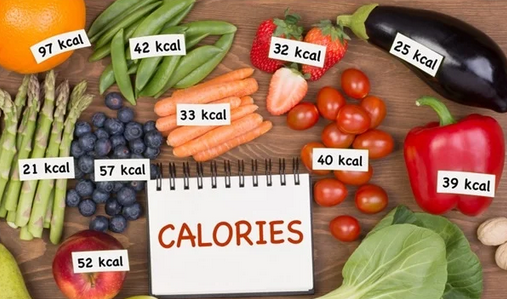
One kilogram of body fat stores roughly 7,700 kcal. To lose 1 kg a week you need a deficit of about 1,100 kcal a day, which is too aggressive for most people. A deficit of 500–700 kcal a day, through a mix of eating less and moving more, produces 0.5–0.7 kg a week and is sustainable for months.
What a realistic month looks like
| Week | Typical scale change | What is happening |
|---|---|---|
| 1 | −1.5 to −2.5 kg | Mostly water; some fat |
| 2 | −0.5 to −0.8 kg | Fat loss begins to show honestly |
| 3 | −0.5 to −0.8 kg | Steady; clothes start to fit differently |
| 4 | −0.3 to −0.8 kg | Normal fluctuation; a flat week here is not failure |
| Month total | −3 to −4.5 kg | About 2.5–3.5 kg of it fat |
Signs you are losing too fast
- Constant tiredness and poor sleep
- Hair fall after six to eight weeks
- Feeling cold, dizzy on standing
- Losing strength in the gym
- Thinking about food all day
If you see these, eat a little more, especially protein, and slow down. Slower loss that lasts beats fast loss that reverses.
The habits behind 3–4 kg a month
- A moderate calorie deficit, not a starvation diet. For most adults that is 1,400–1,800 kcal a day depending on size and activity.
- Protein at every meal, around 1.2–1.6 g per kg of body weight, to keep muscle and control hunger.
- Half the plate vegetables at lunch and dinner.
- 8,000–10,000 steps a day plus two strength sessions a week.
- Seven hours of sleep. Short sleep raises hunger hormones the next day.
- Weigh once a week, not daily, and look at the trend over four weeks.
Make the deficit automatic
The hardest part of a 500 kcal deficit is hitting it on a busy Tuesday without thinking. Pro Calories' slimming diet plan delivers portion-controlled Kerala and Indian meals across Kochi at a set calorie level, so the deficit happens by default. Start with a consultation to set a target that is right for your weight and health.