This guide is general information for adults with type 2 diabetes or prediabetes. It is not a substitute for advice from your doctor, especially if you use insulin or other medicines that lower blood sugar.
Food is one of the most powerful tools for managing type 2 diabetes. The good news: a diabetic diet isn't a separate, joyless menu. It is mostly ordinary Indian food, eaten in the right proportions and combinations.
Why food affects blood sugar
Carbohydrates, found in rice, wheat, tubers, fruit, milk and sugar, have the biggest effect on blood glucose. Two things matter: how much carbohydrate you eat at a time, and what kind. Refined, low-fibre foods raise blood sugar quickly; foods rich in fibre, and meals that include protein and vegetables, raise it more slowly.
Use the plate method
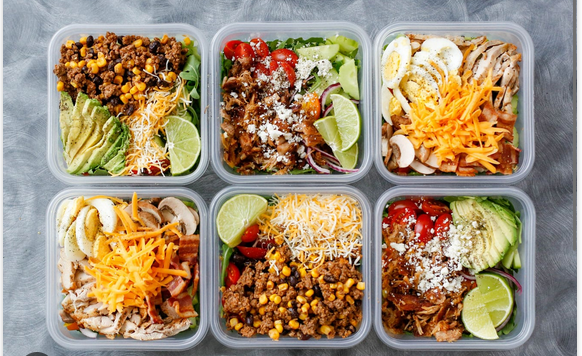
The simplest way to build a diabetes-friendly meal is the plate method:
- Half the plate: non-starchy vegetables. Thoran, salad, bitter gourd, beans, cabbage, drumstick, spinach.
- A quarter: protein. Fish, chicken, eggs, dal, chana, paneer or tofu.
- A quarter: carbohydrate. A measured portion of whole grains such as matta rice, millets or whole-wheat chapati.
Eating the vegetables and protein first, and the rice or chapati last, can also help soften the rise in blood sugar after a meal.
Smarter swaps for Kerala staples
| Instead of | Try |
|---|---|
| A heaped plate of white rice | A smaller portion of matta rice or millets, with extra thoran |
| Rice-flour puttu | Ragi or whole-wheat puttu, with kadala curry for protein |
| Kappa as the main dish | A small portion of kappa alongside fish curry and vegetables |
| Maida parotta | Whole-wheat chapati |
| Fruit juice | A whole fruit such as guava, apple or orange |
| Sweetened tea or coffee | Unsweetened, or gradually less sugar |
| Banana chips and fried snacks | Roasted chana, sprouts or a few nuts |
Foods to include
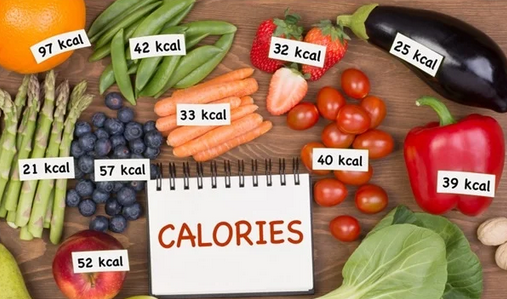
- Vegetables at every meal, especially leafy greens, bitter gourd, beans, cabbage and ladies' finger
- Dal, chana, rajma and other legumes, which provide protein and fibre
- Fish, especially oily fish like mathi and ayala, plus eggs and chicken
- Curd and buttermilk without added sugar
- Whole grains and millets in measured portions
- Nuts and seeds in small amounts
Foods to limit
- Sugar, jaggery and honey, which raise blood sugar much like sugar does
- Sweets, payasam and bakery items
- Soft drinks, packaged juices and sweetened beverages
- Refined flour (maida) products
- Deep-fried snacks
- Large portions of rice, tapioca and potato
A sample day
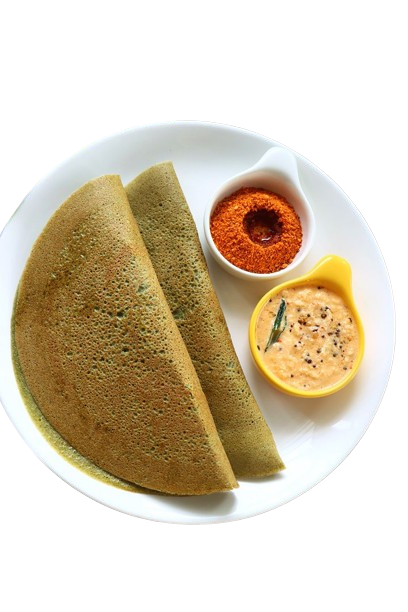
- Breakfast: 2 ragi dosa with sambar, or vegetable oats upma
- Mid-morning: a guava or an orange
- Lunch: a small cup of matta rice, fish curry, beans thoran and a cucumber salad
- Evening: unsweetened tea with roasted chana
- Dinner: 2 chapati with chicken or vegetable stew and a large serving of vegetables
Everyday habits that help
- Eat at regular times, and don't skip meals if you take diabetes medication.
- Walk after meals. Even 10 to 15 minutes helps muscles use glucose.
- Check your levels as your doctor advises, and get your HbA1c tested regularly.
- Sleep well and manage stress, since both affect blood sugar.
Personal guidance in Kochi
Every person with diabetes responds a little differently to food. A diabetic diet consultation with Pro Calories helps you build a meal plan around your readings, medication and routine, and our balanced diet meals make it easier to stick to.
Frequently asked questions
Can people with diabetes eat rice?
Many can, in controlled portions. Choose matta or brown rice, keep the portion small, and pair it with plenty of vegetables and protein.
Are fruits allowed?
Yes. Whole fruits such as guava, apple, orange and papaya, in sensible portions, are a better choice than fruit juice.
Is jaggery healthier than sugar for diabetes?
Not in any way that matters for blood sugar. Jaggery, honey and sugar all raise glucose, so limit all of them.